Personal safety demands more than wishful thinking—it requires preparation, awareness, and the right tools. One in four women will experience severe intimate partner violence in their lifetime, yet countless individuals feel unprepared to defend themselves effectively. The statistics are sobering, and the pressure to find a solution that works without firearms can feel overwhelming.
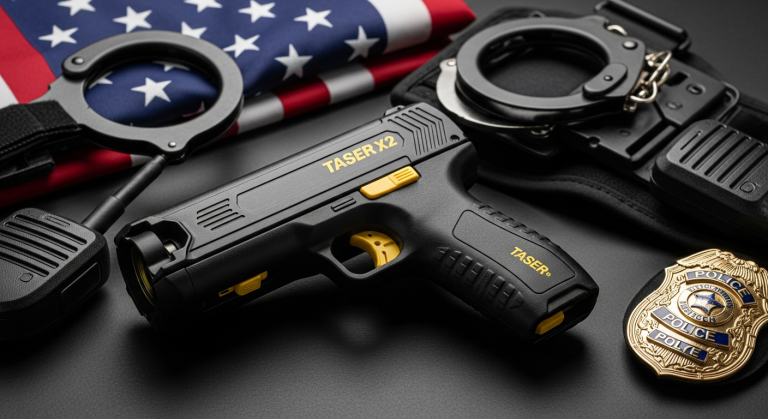
Modern technology has changed what's possible in civilian self-defense. The TASER Pulse+ represents a significant leap forward, manufactured by Axon Enterprise and engineered specifically for those who want serious protection with a critical advantage: a 15-foot standoff distance. Unlike traditional self-defense tools, this device combines neuromuscular incapacitation with smart connectivity, meaning it can literally call for help while you escape.
This guide walks you through everything you need to know about the TASER Pulse+—how it actually works, whether it fits your lifestyle, and which real-world scenarios make it invaluable. You'll understand its cutting-edge features, evaluate its honest limitations, and gain the knowledge to make a confident decision about your personal safety.
Discover how the TASER Pulse+ can enhance your personal safety strategy today.
How the TASER Pulse+ Actually Works: The Science Behind Neuromuscular Incapacitation
The TASER Pulse+ operates on a principle fundamentally different from traditional stun devices. When activated, it delivers electrical pulses that override an attacker's muscular control through a process called neuromuscular incapacitation (NMI). This isn't about pain—it's about disrupting the electrical signals your nervous system uses to command your muscles, rendering an attacker temporarily unable to move effectively.
The Two-Probe Deployment System
The device launches two barbed probes up to 15 feet away, connected by conductive wires. Both probes must make sufficient contact with the attacker's body for NMI to occur. This design creates a significant advantage: the standoff distance means you're not in arm's reach during the critical moment of deployment. The laser sight integrated into the device helps ensure accuracy, a crucial factor when adrenaline spikes and stress narrows your vision.
The 30-Second Incapacitation Window
Once both probes connect, the electrical discharge lasts approximately 30 seconds. During this window, an attacker experiences complete loss of muscular control. This isn't incapacitation that gradually wears off—it's immediate and comprehensive. Your window to escape is clear and actionable. You're not fighting back; you're creating distance between yourself and the threat.
Contact Stun for Close-Range Encounters
If the probes don't deploy or miss their target, the Pulse+ functions as a contact stun device. You can press the device directly against an attacker's body to deliver the same electrical charge. This backup capability means the device remains effective even when probe deployment isn't viable.
How Electrical Pattern Differs from Other Devices
The TASER Pulse+ uses a specific electrical waveform developed through decades of research. This pattern is more effective at producing NMI than many competing stun devices on the market. The 30-second duration is substantially longer than conventional stun guns, providing a genuine escape opportunity rather than just a momentary distraction.
Real-World Effectiveness and Variables
Field data shows the TASER Pulse+ is highly effective in civilian self-defense situations. However, effectiveness depends on several factors: probe placement, distance at deployment, and what the attacker is wearing. Heavy winter clothing or multiple layers can reduce effectiveness because both probes need to penetrate clothing and make adequate skin contact. This is why understanding your local environment and seasonal clothing habits matters when evaluating this tool.
Probe Deployment Versus Contact Stun Scenarios
Probe deployment offers maximum safety because of the 15-foot range. You maintain distance while the device works. Contact stun requires you to be physically close enough to touch the attacker—a less ideal scenario but a critical backup option when circumstances don't allow for probe deployment.
Smart Safety Features That Set the Pulse+ Apart
What truly distinguishes the TASER Pulse+ from older self-defense tools is its integration with modern smartphone technology. The Noonlight app connection transforms the device from a standalone tool into part of a comprehensive safety network.
Noonlight App Integration and Automatic Dispatch
When you activate the Pulse+, the connected smartphone app automatically alerts Noonlight, which then contacts local emergency services and dispatches law enforcement to your location. This happens without you needing to make a phone call or provide details—the system knows where you are and what you need. In situations where you're injured, in shock, or unable to communicate clearly, this automatic dispatch feature becomes invaluable.
Real-Time GPS Location Sharing
Your exact GPS coordinates transmit to first responders the moment the device activates. Law enforcement arrives knowing precisely where to find you. In chaotic situations where addresses are unclear or you're in unfamiliar areas, this precision matters critically.
Integrated Laser Sight for High-Stress Accuracy
Under extreme stress, fine motor control deteriorates. The laser sight compensates for this human reality. Point the red laser at your target, and you've dramatically increased the probability of both probes connecting. This feature makes the device substantially more practical than probe-launching tools without aiming assistance.
LED Flashlight Functionality
The integrated LED serves dual purposes: illumination in dark environments and threat deterrence. A bright light in an attacker's eyes disrupts their vision and can discourage aggression before the device even needs to be deployed. Psychological de-escalation often prevents physical confrontation entirely.
Bluetooth Connectivity and Your Safety Network
Bluetooth connectivity means your device is never isolated from your safety ecosystem. Battery status, device readiness, and emergency contacts all sync with your smartphone. You know immediately when maintenance is needed rather than discovering a dead battery during an actual crisis.
How Smart Features Work Together
These capabilities function as an integrated system. The laser helps you aim accurately from a safe distance. The device deploys effectively. The Noonlight app immediately alerts authorities. Your location transmits in real-time. You escape while emergency services are already en route. This layered approach to safety is what makes the Pulse+ genuinely different from traditional self-defense tools.
Battery Life and App Notifications
CR123 batteries power the device and maintain approximately 2 years of standby power under normal conditions. The app notifies you when batteries are aging, ensuring you're never caught with a non-functional device. Regular battery replacement takes minutes and costs far less than most other maintenance expenses.
Learn more about protecting yourself with advanced self-defense technology.
Practical Considerations: Is the TASER Pulse+ Right for Your Lifestyle?
Owning the best self-defense tool means nothing if you can't reliably carry it. Your lifestyle, body type, and daily routine fundamentally determine whether the Pulse+ fits your needs.
Compact Design and Everyday Carry
The Pulse+ resembles a small pistol in size and weight. For many people, this compact footprint makes everyday carry feasible. A hip holster, crossbody bag, or jacket pocket can accommodate the device. The weight is negligible during normal daily activities.
Concealability Compared to Other Options
Traditional pepper spray requires hand fumbling to deploy, and bulky personal alarms take up space. The Pulse+ holsters cleanly and can remain concealed under light jackets or carried in a dedicated bag compartment. If concealment matters for your situation, the device's design facilitates this need.
Training Requirements and Learning Curve
The Pulse+ is remarkably intuitive to operate. Activation involves a simple safety switch and trigger mechanism. However, intuitive doesn't mean skip training. Spending time at a certified training facility helps you understand:
- Proper stance and grip under stress
- Target area identification and probe placement
- Safe handling procedures
- Legal and ethical deployment considerations
- What actually happens psychologically when you deploy the device
Training removes uncertainty. When a genuine threat emerges, your body executes muscle memory rather than freezing while your conscious mind races with questions.
Legal Restrictions by Jurisdiction
This is non-negotiable research. TASER devices are legal in most U.S. states, but restrictions vary significantly:
- Some states require permits
- Certain jurisdictions prohibit civilian ownership entirely
- Age requirements differ
- Specific regulations govern possession in vehicles or workplaces
Before purchasing, contact your local law enforcement agency or consult an attorney familiar with local weapons regulations. Legal ownership matters. Using a device you shouldn't possess legally compounds consequences dramatically if deployment becomes necessary.
Storage Options and Household Safety
If you share living space with children or pets, secure storage becomes critical. The device's compact size allows for small biometric safes or locked drawers. Your safety tool should be immediately accessible to you but inaccessible to unauthorized users.
Maintenance Schedule and Battery Protocols
Maintenance is straightforward: monitor battery status through the app, replace batteries every 2 years during normal use, and inspect the device periodically for damage. Keep cartridges in a cool, dry location. When you deploy a cartridge, replacement cartridges are readily available and moderately priced.
Cost-Benefit Analysis: Initial Investment Versus Ongoing Expenses
The Pulse+ costs approximately $300–$450 initially, including two cartridges. Compare this to:
- Monthly alarm system fees ($30–60 per month, $360–720 annually)
- Home security system installation ($1,000–3,000)
- Personal security training ($500–2,000)
Replacement cartridges cost roughly $30–40 each. If you purchase two backup cartridges annually for practice and redundancy, annual expenses total approximately $60–80. Viewed across several years, the total cost of ownership is reasonable for a comprehensive safety tool.
Addressing Common Concerns: Limitations and Realistic Expectations
The TASER Pulse+ is effective, but it's not a magical solution. Honest evaluation of its limitations helps you integrate it appropriately into your overall safety strategy.
Single-Shot Cartridge Design
Each cartridge deploys once. If you deploy and miss both probes, you need to reload—a process requiring several seconds and fine motor control under extreme stress. This limitation means accuracy during the initial deployment is crucial. Some people prefer carrying multiple cartridges in backup holsters or keeping spares in their bag.
Heavy Clothing Reduces Effectiveness
Winter jackets, layered clothing, and heavy fabrics can prevent probes from making adequate contact. If you live in a climate with extended cold seasons, you're wearing clothing that may reduce device effectiveness. This doesn't make the Pulse+ useless—it means acknowledging the limitation and planning accordingly.
Cartridge Replacement Costs
While replacement cartridges are relatively inexpensive, practicing with the device costs money. Some people purchase practice cartridges, practice deployment to understand the device's recoil and handling, then keep their primary cartridges for actual emergency use. Budget accordingly if you prioritize hands-on training.
Pistol-Like Appearance and Law Enforcement Response
The device looks superficially like a firearm. In an active threat situation, if law enforcement arrives and sees you holding it, there's genuine risk of misidentification. De-escalate immediately by:
- Setting the device down
- Keeping hands visible
- Clearly identifying yourself as the victim
- Explaining the device is a TASER
This risk exists but shouldn't prevent you from purchasing an effective self-defense tool. Instead, it emphasizes why situational awareness and escape planning matter—you want to leave the dangerous area entirely before law enforcement arrives.
Probe Deployment Accuracy Under Extreme Stress
Adrenaline narrows focus and degrades fine motor control. The laser sight mitigates this significantly, but the reality remains: under genuine threat, accuracy may not match target practice. This is why the contact stun backup capability exists and why training helps tremendously.
Contact Stun as Primary Defense
In many scenarios—threatened in a crowd, threatened in a vehicle, threatened with minimal distance—contact stun becomes your primary option. The device remains effective in contact mode, delivering the same neuromuscular incapacitation. This flexibility is actually a strength, not a weakness.
Deployment Failure and Contingency Planning
If the device malfunctions or you miss both probes, you need backup options. This is why security professionals recommend layered defense: awareness, escape planning, multiple tools, and physical training. The Pulse+ is your primary tool, but it shouldn't be your only tool.
Real-World Deployment Scenarios: When the Pulse+ Makes the Difference
Understanding specific situations where this device excels helps you evaluate whether ownership aligns with your genuine risk profile.
Home Invasion Situations
Someone breaches your home. The standoff distance becomes invaluable. From across a room, you can deploy probes and neutralize the threat while maintaining distance from an intruder. This scenario is exactly where the 15-foot range provides maximum advantage.
Outdoor Assault Prevention
Walking to your vehicle at night, the parking lot feels unsafe. Visible awareness of your self-defense tool can deter many potential attackers—criminals often seek easy targets. The deterrent effect alone makes carrying obvious value.
Vehicle Safety
Stopped at a red light or parked in an isolated area, a window shatters. The Pulse+ remains accessible from the driver's seat. Unlike pepper spray that requires precision aiming or a firearm that requires rapid target assessment, the TASER's straightforward operation suits the urgency of vehicle threats.
Workplace Safety
Employees in high-risk environments—retail workers during night shifts, security personnel, healthcare workers—benefit from accessible self-defense capability. The Pulse+'s compact design permits discreet workplace carry in many professional settings.
Solo Travel Safety
Traveling alone through unfamiliar areas creates legitimate vulnerability. The TASER Pulse+ combined with the Noonlight app integration offers peace of mind. If something goes wrong, help arrives automatically.
De-escalation Through Visible Deterrence
Sometimes simply revealing you carry a self-defense device ends confrontation immediately. Many potential attackers will disengage rather than face known resistance. This psychological de-escalation prevents physical confrontation entirely.
Follow-Up Actions After Deployment
Successful deployment creates a 30-second window. Your job is to escape, reach safety, and allow law enforcement to arrive. You're not staying to verify incapacitation or call emergency services manually—the app already contacted authorities. Your only action is creating distance between yourself and the threat.
Building Your Complete Self-Defense Strategy Around the Pulse+
An effective self-defense approach integrates tools with training, awareness, and mental preparation. The TASER Pulse+ is your primary physical tool, but it functions within a broader framework.
Combining the Pulse+ with Situational Awareness
Most assaults are preventable through awareness. Notice your surroundings. Identify exits and potential threats before they develop into physical danger. Carry the Pulse+ because prevention sometimes fails—but recognize that awareness is your first and most powerful defense.
Training Programs and Certification
Organizations like TASER offer official training courses. Local self-defense instructors often provide device-specific training. Invest in at least one formal training session. You'll learn:
- Legal implications of self-defense use
- Proper handling and safety procedures
- Deployment under stress
- Target identification
- Post-deployment actions
Emergency Contact List and Safety Planning
Program emergency contacts into your phone. Create a safety plan that includes:
- Trusted people who know your routines
- Predetermined safe locations
- Communication protocols for high-risk situations
- Regular check-in procedures when traveling
Regular Practice and Cartridge Rotation
Cartridges have shelf lives. Rotate your cartridges periodically, deploying old ones during practice sessions and replacing them with fresh units. This ensures your primary cartridges are always current while building genuine experience with the device.
Backup Self-Defense Tools
Consider carrying complementary tools: pepper spray for situations where distance is compromised, a personal alarm for alerting others, a tactical flashlight for disorientation and illumination. These tools serve different purposes and provide options when circumstances don't favor TASER deployment.
Mental Preparation and Decision-Making
The hardest part of self-defense isn't physical—it's psychological. Mentally prepare yourself for the decision to deploy your device. Visualize scenarios. Understand that hesitation in genuine emergencies costs lives. Mental rehearsal builds confidence in your ability to act when it matters.
Documentation and Legal Preparation
Know the self-defense laws in your jurisdiction. Understand what constitutes legal deployment. Consider consulting an attorney about what self-defense is legally permissible in your area. This knowledge ensures you use your tool appropriately and within legal boundaries.
Investment Breakdown: Understanding the True Cost of Ownership
Financial planning for self-defense tool ownership involves more than just the initial purchase price. Understanding total cost of ownership helps you budget appropriately.
Initial Purchase Price
The TASER Pulse+ typically costs $300–$450. This investment includes the device itself and two cartridges (one for practice, one for emergency use). For context, this equals approximately 10–15 months of monthly alarm system fees or a single year of professional security system monitoring.
Cartridge Replacement Costs
Replacement cartridges cost approximately $30–40 each. If you practice quarterly and maintain two backup cartridges, annual cartridge expenses total roughly $60–80. Over five years, this adds approximately $300–400 to your total investment.
Battery Expenses
CR123 replacement batteries cost $5–10 per pair and last approximately 2 years. Annual battery expenses are minimal, roughly $2.50–5 per year.
Optional Accessories
Carrying cases, additional holsters, and protective covers enhance functionality. Budget $50–150 for quality accessories that suit your lifestyle and carry method.
Comparison to Other Self-Defense Methods
- Monthly alarm system monitoring: $30–60 monthly ($360–720 annually)
- Home security system installation: $1,000–3,000 upfront
- Pepper spray (replacement frequency): $15–25 per unit, twice yearly ($30–50 annually)
- Firearm training and licensing: $500–2,000 initially plus ongoing ammunition costs
- Personal security training: $500–2,000 per course
Viewed across 5 years, the TASER Pulse+ represents one of the most cost-effective self-defense investments available.
Warranty Coverage and Manufacturer Support
Axon Enterprise provides comprehensive warranty coverage on the Pulse+. Understanding your warranty protects your investment. Many models include coverage against manufacturing defects and offer replacement cartridges if deployment occurs for self-defense purposes (documentation required).
Resale Value and Long-Term Considerations
TASER devices retain reasonable resale value if you decide to upgrade or discontinue use. The secondary market for quality self-defense tools remains active, meaning your investment isn't entirely sunk.
Making Your Final Decision: Key Questions to Ask Yourself
Before purchasing, honestly answer these questions:
Do You Have Physical Capability?
Can you safely handle and operate the device? Do you have sufficient hand strength and dexterity? Are there physical limitations that would prevent deployment? Physical capability isn't about being an athlete—it's about honest assessment of whether you can operate this particular tool.
Is the Device Legal in Your Jurisdiction?
You've researched local regulations, confirmed civilian ownership is permitted, verified age requirements are met, and understand any licensing requirements. You haven't made this assumption—you've confirmed it through official channels.
Are You Committed to Training?
You're willing to invest time in at least one training course and ongoing practice. You understand that ownership without training is counterproductive.
Does Noonlight Integration Align with Your Priorities?
The automatic emergency dispatch feature offers genuine value. You've considered whether this aligns with your safety goals and personal preferences regarding smartphone connectivity.
Can You Afford Total Ownership?
You've calculated the initial purchase price, factored in replacement cartridges and batteries, and confirmed this fits your budget without financial strain.
Does Your Lifestyle Support Everyday Carry?
You've considered your daily routine, work environment, and personal preferences. You've identified realistic carry methods that work within your lifestyle rather than wishful thinking about carry scenarios that don't actually apply to you.
Are You Psychologically Prepared?
You've honestly assessed your willingness to deploy this device if a genuine threat emerges. You've visualized scenarios and confirmed you could act decisively rather than hesitate or freeze. You understand that self-defense tools require psychological readiness, not just physical possession.
Taking Control of Your Personal Safety Journey
The TASER Pulse+ isn't another gadget gathering dust—it's a comprehensive safety system for people who take personal protection seriously. You've now examined how it works, what distinguishes it from alternatives, and the honest limitations you'll face.
Effective self-defense combines three elements: the right tools, proper training, and mental readiness. The Pulse+ delivers the first component exceptionally well. The 15-foot standoff distance, neuromuscular incapacitation effect, and Noonlight app integration create capabilities that traditional self-defense tools simply cannot match.
Yet this device requires you to commit to the remaining elements. Training removes hesitation. Mental preparation builds confidence. Regular practice creates muscle memory that serves you during genuine crises when conscious thought becomes unreliable.
The single-shot cartridge design and clothing-dependent effectiveness demand realistic expectations. This isn't a magic solution—it's a sophisticated tool that works best when integrated into a broader safety strategy combining awareness, training, and contingency planning.
Your safety matters. Whether you're a solo traveler, a parent concerned about home security, someone who's decided firearms don't fit your household, or an individual wanting accessible self-defense beyond traditional pepper spray, the TASER Pulse+ deserves serious consideration.
Research your local laws thoroughly. Invest in proper training from certified instructors. Practice with confidence. Build a support network that understands your safety plan. Make the decision today that protects your options tomorrow when it genuinely counts.
Take the next step in securing your personal safety with the TASER Pulse+ today.